

U.S.–Iran Tensions Escalate as Trump Considers Military Options After Talks Collapse
The White House is weighing renewed military action against Iran following the breakdown of nuclear negotiations. As the Trump administration shifts between diplomacy and pressure tactics, the situation raises fears of a broader escalation in the Middle East.

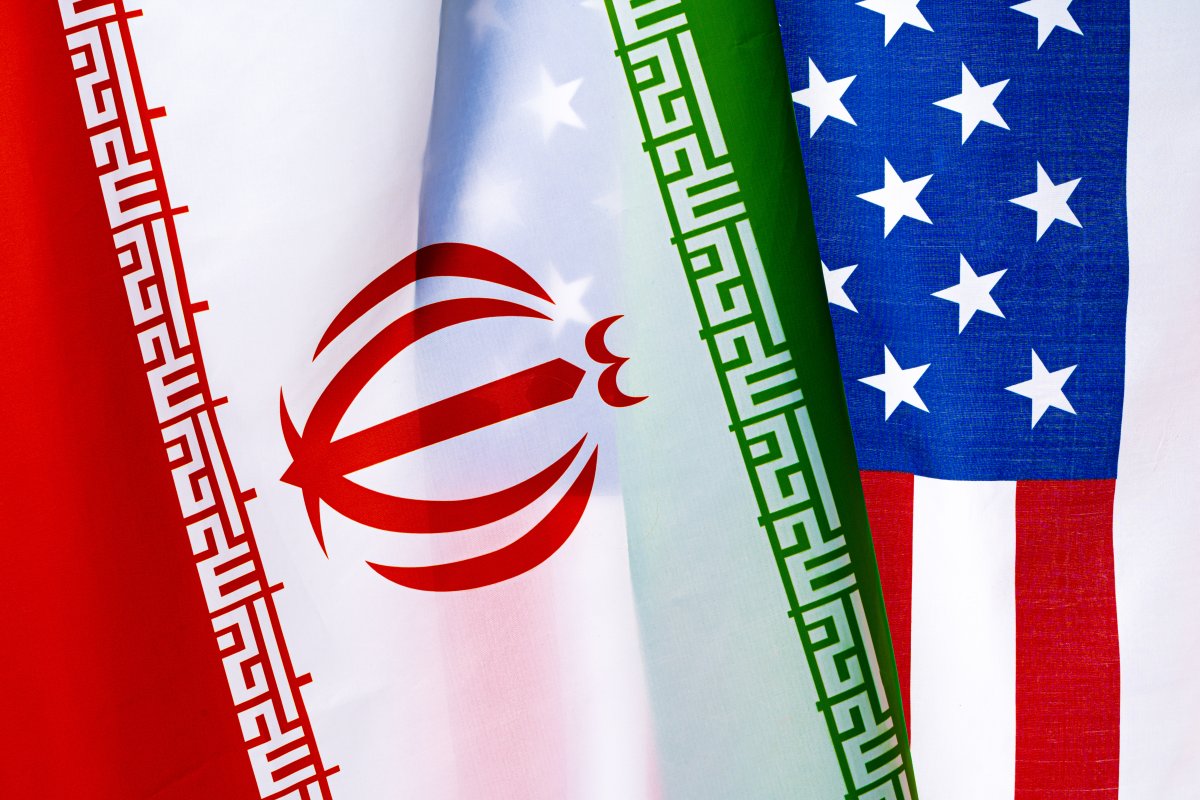
According to a CNN report citing sources within the U.S. administration, the White House is again seriously considering military strikes against Iran, as diplomatic negotiations have reportedly collapsed. The development comes after what officials described as a failed round of talks, with President Donald Trump rejecting Tehran’s latest proposal as unacceptable.
Trump sharply criticized the Iranian offer, calling it extremely weak and saying he did not even finish reading it. He added that the contents sent by Tehran were, in his view, “nonsense.” According to officials familiar with the discussions, Iran had initially signaled willingness to transfer its stockpile of enriched uranium, but this provision reportedly disappeared from its final response.
A high-level national security meeting was held at the White House the previous day. It included Vice President JD Vance, Secretary of State Marco Rubio, Defense Secretary Pete Hegseth, special envoy Steve Witkoff, CIA Director John Ratcliffe, and Chairman of the Joint Chiefs of Staff General Dan Caine. One participant summarized the mood by suggesting that “everyone understands where this is heading.”
Two main options are reportedly being evaluated. The first involves restarting a maritime security mission related to operations in the Strait of Hormuz, which had recently been paused. The second option is a limited strike campaign targeting roughly a quarter of pre-identified military objectives that have not yet been attacked.
Israel is also pushing for a special forces operation aimed at securing Iran’s enriched uranium stockpiles, though Trump is reportedly hesitant due to the high operational risks involved.
Inside the administration, there is no consensus. The Pentagon is said to favor a more forceful approach toward Tehran, while other officials advocate continuing diplomatic engagement. There are also internal concerns regarding Pakistan’s mediation efforts, with some U.S. officials alleging that Islamabad may be presenting a more optimistic interpretation of Iran’s position than what Tehran is actually signaling.
A final decision is unlikely before Trump’s scheduled trip to China on Tuesday.
Trump summarized his stance in simple terms, stating that Iran must not be allowed to obtain nuclear weapons.
In response, Iranian officials adopted a combative tone. Speaker of Parliament Mohammad Bagher Ghalibaf stated that Iran’s armed forces are prepared to deliver a “lasting lesson” to any aggressor and warned of readiness for “all scenarios.” He also claimed that delays would increasingly cost American taxpayers. Deputy Foreign Minister Kazem Gharibabadi criticized U.S. efforts to push a UN Security Council resolution related to the Strait of Hormuz, arguing that Washington’s approach is escalating tensions.
What's Your Reaction?
 Like
0
Like
0
 Dislike
0
Dislike
0
 Love
0
Love
0
 Funny
0
Funny
0
 Wow
0
Wow
0
 Sad
0
Sad
0
 Angry
0
Angry
0












Comments (0)