

Future of the Petrodollar: Risks, Shifts, and Global Impact
Explore the future of the petrodollar, from energy transition and de-dollarization to what changing oil trade means for markets and U.S. power.
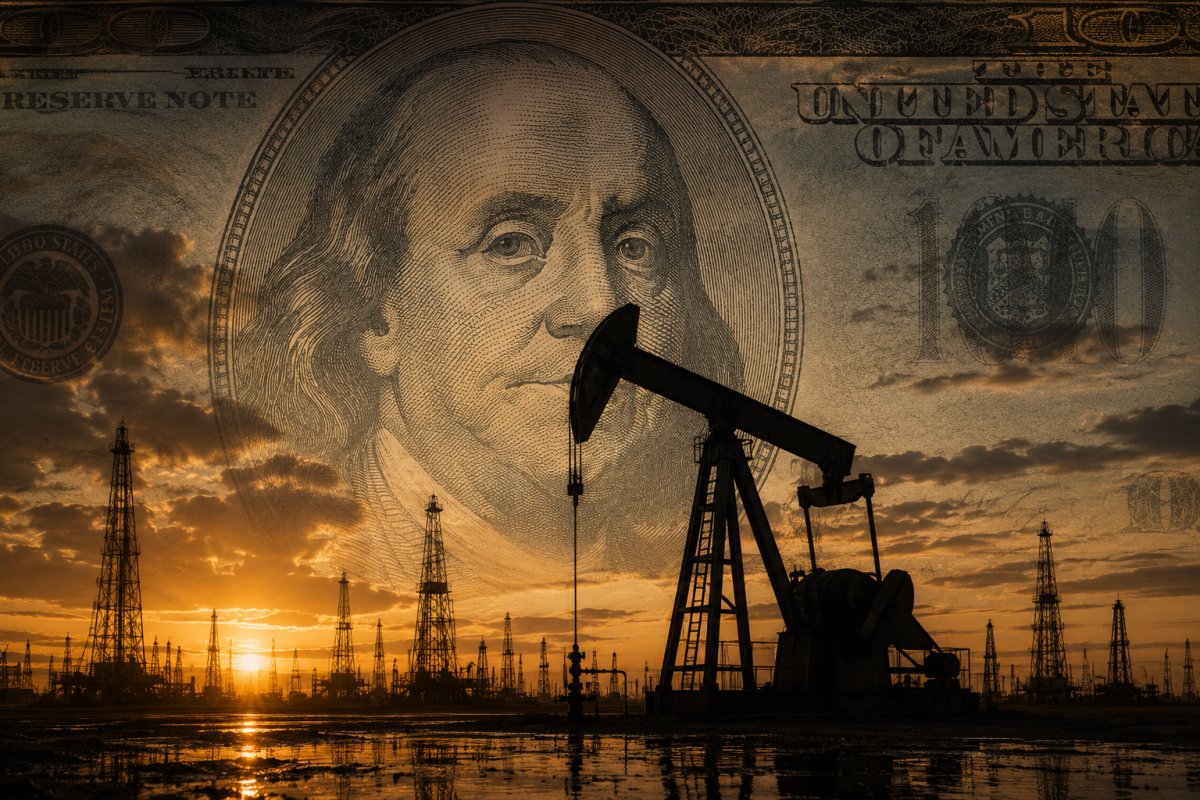
The petrodollar system has been a key element of global finance, tying oil trade to the dollar and underscoring America’s place at the heart of the international monetary system. For decades, major oil exporters priced their crude in dollars, while importers had massive reserves of dollars to ensure energy supplies in the world. That arrangement underpinned consistent demand for U.S. assets, decreased borrowing costs, and provided Washington with unusual financial clout. Today, however, the future of the petrodollar is being debated more seriously than at any time in recent memory.
There are several forces behind that debate. Geopolitical rivalry is rising above all among the United States, China, and Russia. Meanwhile, sanctions policy has also prompted some countries to ease the reliance on dollar-based payment systems. Big emerging economies are trying out local currency trade, central bank digital currency pilots, and other settlement systems. None of these actions have displaced the dollar, at scale, but taken together they represent a slow move to look for alternatives beyond the traditional framework.
Why the system still matters
The petrodollar is more than just oil in dollars. Its significance lies within the wider ecosystem that surrounds it: deep U.S. capital markets, respected legal institutions, abundant liquidity, and the dollar’s position in trade finance and reserves. Replacing that infrastructure is hard even for countries that want diversification. The euro has scale but lacks full fiscal unity. China’s yuan is increasingly popular in trade, but capital controls and transparency issues curb its appeal as a reserve. For this reason, the dollar is always dominant even as its share is under long-term pressure.
Market convenience is another reason the system goes on. Oil traders, refiners, banks, and shipping companies function as part of a well-established dollar-based system. Changes in currencies bring with it the costs of hedging, legal adjustments, and counterparty risks. For a lot of traders, the political attractiveness of change is still too low relative to the upside of continuity.
What would hurt the petrodollar
The biggest structural challenge could come from managing energy transition. If oil's relative importance wanes over the next twenty years, the strategic linkage between energy and dollar demand might weaken. A world with greater electrification, renewable energy, and regional energy systems might rely less on those crude flows whose history supports dollar invoicing. Even in that case, the dollar would still matter, but the particular power of oil-backed demand might diminish.
Another risk is fragmentation. If big producers start taking multiple currencies to sell oil, then the result might not be the sudden end of the petrodollar but a more plural system. Gulf exporters, for example, might still prefer dollars while expanding yuan or euro settlements with major countries only selectively. That would lead to less exclusivity without the loss of dollar leadership.
Short term: The dollar continues to be the dominant oil pricing and reserve currency.
Medium term: More bilateral energy deals could be reached in non-dollar currencies.
Long term: A balance of power as the energy transition, along with geopolitical blocs, is expected to lead to multipolar payments systems.
The realistic world outlook for investors and policymakers is evolution, not collapse. The petrodollar probably won’t vanish overnight; by the dollar’s own logic, it offers an unequaled combination of liquidity, convertibility, and institutional trust. Yet the system is becoming less absolute. The future of the petrodollar may be a series of slow diversification rather than a dramatic replacement. That means the dollar may stay first among currencies — but with less uncontested primacy than before. Long term, the question isn’t whether the petrodollar ends suddenly, but rather how much its influence narrows as energy markets, technology, and geopolitics continue to change.
What's Your Reaction?
 Like
0
Like
0
 Dislike
0
Dislike
0
 Love
0
Love
0
 Funny
0
Funny
0
 Wow
0
Wow
0
 Sad
0
Sad
0
 Angry
0
Angry
0

EurasianPost is an independent international news and analysis platform focused on geopolitics, global affairs, business, technology, energy, and strategic developments shaping the modern world. Covering stories across Europe, Asia, the Middle East, and beyond, EurasianPost delivers in depth reporting, expert commentary, and analytical perspectives on the political, economic, and security issues influencing global stability and international relations. With a strong emphasis on geopolitical analysis and emerging global trends, EurasianPost examines the intersection of diplomacy, trade, defense, energy markets, technology, and international policy. The platform aims to provide readers with clear, balanced, and insightful coverage that goes beyond headlines to explore the broader implications behind world events. EurasianPost also features opinion pieces, investigative reporting, multimedia content, and interviews with analysts, experts, and contributors from diverse international backgrounds. Its mission is to promote informed discussion, strategic understanding, and deeper awareness of the forces reshaping the global landscape in an increasingly interconnected world.

Comments (0)