

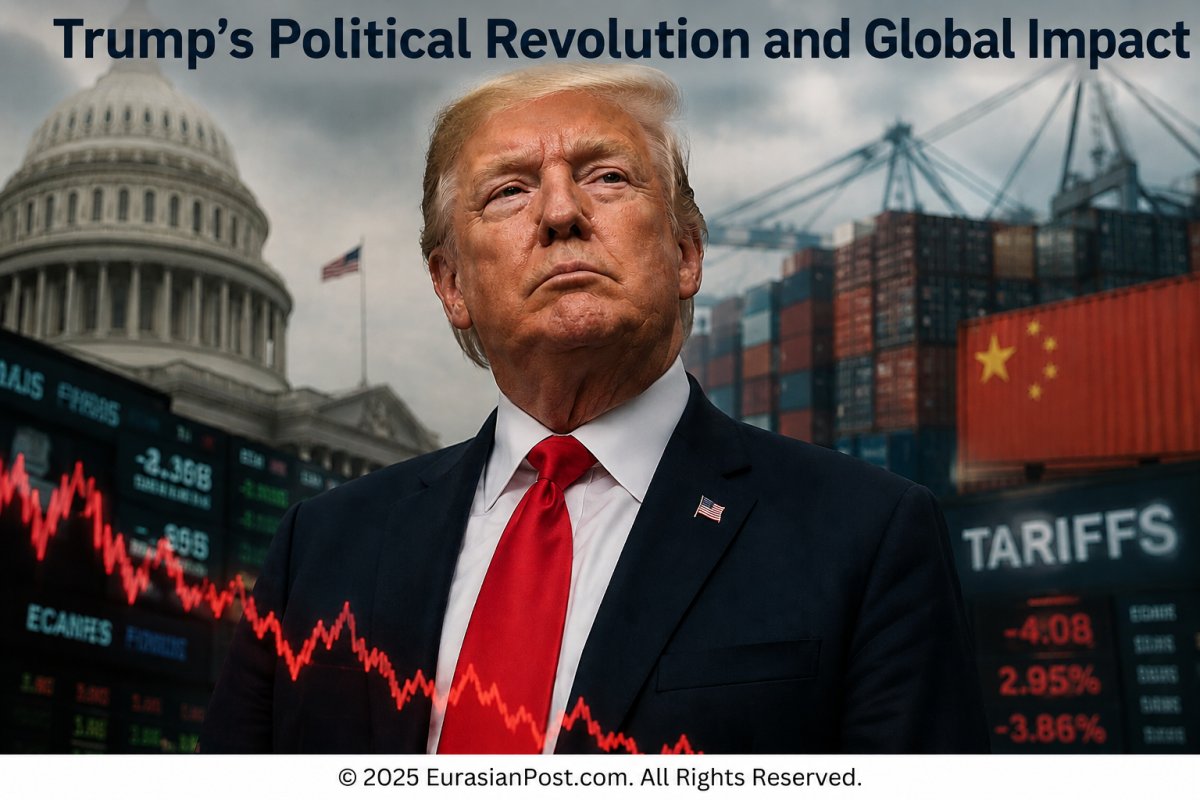
Donald Trump’s political force is reshaping the American political landscape (i.e. opening lines of division far beyond the United States). EurasianPost analysis demonstrates he is a leader who is still hugely influential
Summary: Donald Trump’s political movement continues to influence both American politics and global affairs. EurasianPost analysis examines how his economic nationalism, tariff policies, and political messaging have reshaped US political divisions while impacting international markets, trade relations, and geopolitical stability. The report also explores rising political polarization, economic uncertainty, and the growing global consequences of America’s domestic political landscape. Description: EurasianPost explores the lasting global impact of Donald Trump’s political movement and economic agenda. From trade wars and tariffs to political polarization and market instability, Trump-era policies continue to shape international diplomacy, investor confidence, and geopolitical strategy. The analysis highlights how American domestic politics now carry worldwide implications for global commerce, security, and economic relations as the United States approaches another critical election c
What's Your Reaction?
 Like
2
Like
2
 Dislike
0
Dislike
0
 Love
0
Love
0
 Funny
0
Funny
0
 Wow
0
Wow
0
 Sad
0
Sad
0
 Angry
0
Angry
0

EurasianPost is an independent international news and analysis platform focused on geopolitics, global affairs, business, technology, energy, and strategic developments shaping the modern world. Covering stories across Europe, Asia, the Middle East, and beyond, EurasianPost delivers in depth reporting, expert commentary, and analytical perspectives on the political, economic, and security issues influencing global stability and international relations. With a strong emphasis on geopolitical analysis and emerging global trends, EurasianPost examines the intersection of diplomacy, trade, defense, energy markets, technology, and international policy. The platform aims to provide readers with clear, balanced, and insightful coverage that goes beyond headlines to explore the broader implications behind world events. EurasianPost also features opinion pieces, investigative reporting, multimedia content, and interviews with analysts, experts, and contributors from diverse international backgrounds. Its mission is to promote informed discussion, strategic understanding, and deeper awareness of the forces reshaping the global landscape in an increasingly interconnected world.
Comments (0)