

Azerbaijan, Türkiye and Uzbekistan rehearse drone and cyber warfare in Karabakh drill
More than 3,500 troops from the three countries trained against drone swarms, cyberattacks and threats at sea, with Iran and Pakistan among nine observers.

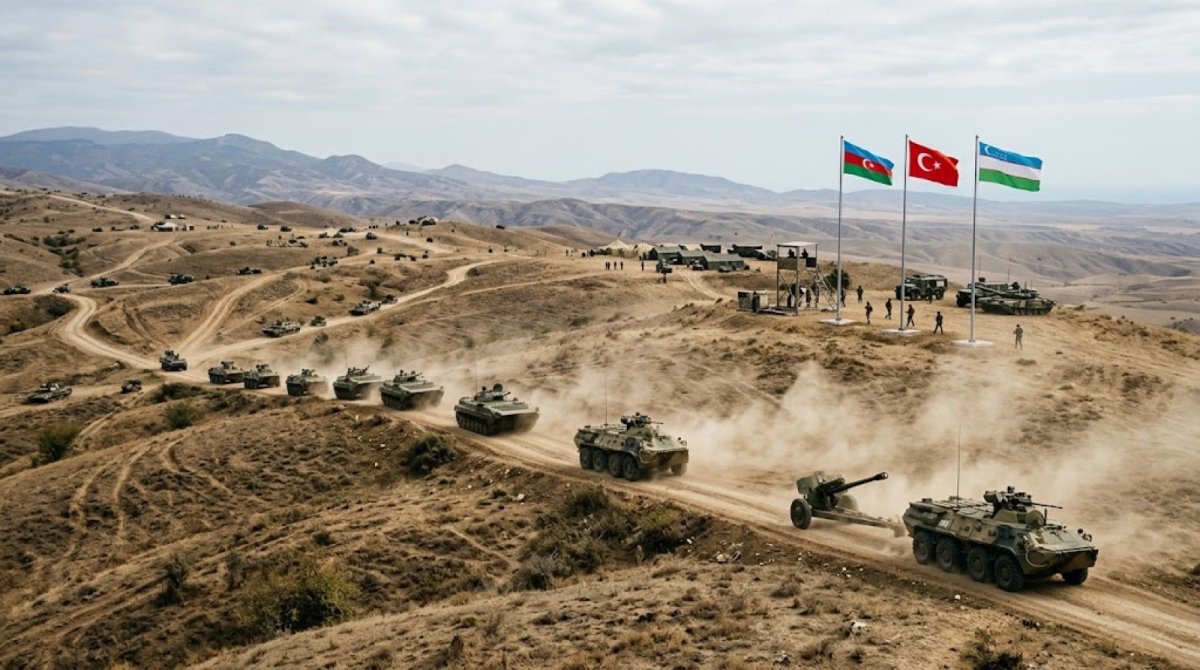
Azerbaijan, Türkiye and Uzbekistan have completed Power of Unity-2026, a joint exercise that brought more than 3,500 troops from the three countries to training grounds in Karabakh, Nakhchivan and the Azerbaijani sector of the Caspian Sea, Euronews reported Oct. 3. Euronews described the drill as the first trilateral exercise the three armies have held in the Karabakh region.
The maneuvers began Sept. 21, according to Azerbaijan's Trend news agency, and closed after a Distinguished Visitors' Day, The Caspian Post reported. Land phases ran at the Gizilgaya training center in Hojavend district and the Garabaghlar training center in Nakhchivan, while naval units worked out of the Boyuk Zira training area offshore. Anar Eyvazov, who heads the Azerbaijani Defense Ministry's press and public relations service, told Trend: "These are the first exercises of this scale in which the liberated territories are also participating."
Drones, electronic warfare and the sea
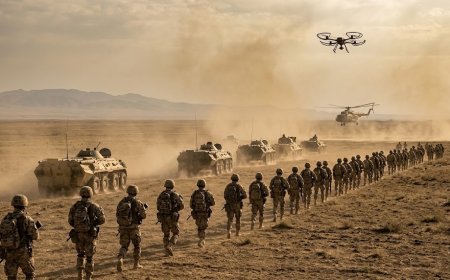
The equipment roster was substantial. Units fielded more than 130 unmanned aerial vehicles, over 70 armored vehicles, more than 90 artillery systems and upward of 20 aircraft, figures carried by both Euronews and Trend. Trend added more than 30 electronic warfare, reconnaissance and surveillance systems, over 15 air defense systems, eight sets of engineering equipment and more than 20 naval vessels.
The scenarios leaned heavily on nonconventional threats. Euronews said troops practiced repelling massed drone attacks, cyberattacks and disinformation campaigns, alongside maritime operations, electronic attacks, border protection and counterterrorism tasks. Trend listed hybrid threats and humanitarian demining among the training themes. Eyvazov said the terrain shown in the exercise script was fictional and that participating forces were acting strictly within that script.
Ministers weigh in
Turkish Defense Minister Yasar Guler, attending the drill, stressed military readiness, saying: "we will prepare in the best possible way, but we will live in peace," Euronews reported. Uzbekistan's defense minister, Lt. Gen. Shukhrat Kholmukhamedov, said the participating personnel had shown "high combat readiness" and the ability to carry out missions together. After the exercise, Shusha hosted a separate meeting of the defense ministers of Azerbaijan, Türkiye and Georgia, the 13th in that trilateral format, with Georgian Defense Minister Irakli Chikovani joining Guler and Azerbaijani Defense Minister Col. Gen. Zakir Hasanov. Hasanov called the Azerbaijan-Georgia-Türkiye cooperation "an important platform for regional stability, security, and development."
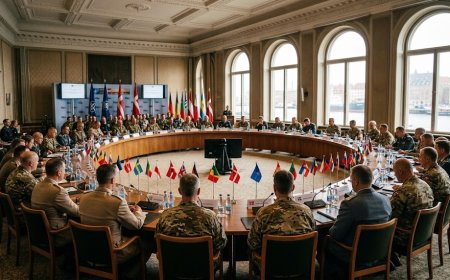
Nine countries sent observers: Kyrgyzstan, Pakistan, Serbia, Slovakia, Tajikistan, Georgia, Turkmenistan, the United Arab Emirates and Iran. Euronews placed the drill in the context of the 2021 Shusha Declaration, which formalized the defense relationship between Azerbaijan and Türkiye. The closing ceremony featured national anthems, speeches, gifts for service members, a march-past and a performance by the Hazi Aslanov Army Ideological and Cultural Center, The Caspian Post said.
What it means
Power of Unity-2026 takes a partnership that Ankara and Baku codified on a bilateral basis and stretches it across the Caspian to Tashkent. Uzbekistan's participation turns a South Caucasus alliance into a three-way format that reaches Central Asia, and staging it in Karabakh, Nakhchivan and offshore gave the partnership a footprint across Azerbaijan's land and sea territory. The scenario list, heavy on drones, cyber operations and disinformation, signals that the three militaries want interoperability for hybrid and drone-heavy conflict rather than for set-piece battles alone. The observer roster matters too: by inviting Iran, Pakistan, the UAE and two European states alongside Central Asian neighbors, the hosts signaled that they want the drill seen as an open format rather than a closed bloc. It now runs alongside older regional drill circuits, such as the CSTO's Rubezh-2026 exercise in Kazakhstan, giving Central Asian capitals more than one security calendar to work with.
What's Your Reaction?
 Like
0
Like
0
 Dislike
0
Dislike
0
 Love
0
Love
0
 Funny
0
Funny
0
 Wow
0
Wow
0
 Sad
0
Sad
0
 Angry
0
Angry
0











Comments (0)