

US says Iran loaded no crude in September as Tehran vows workarounds
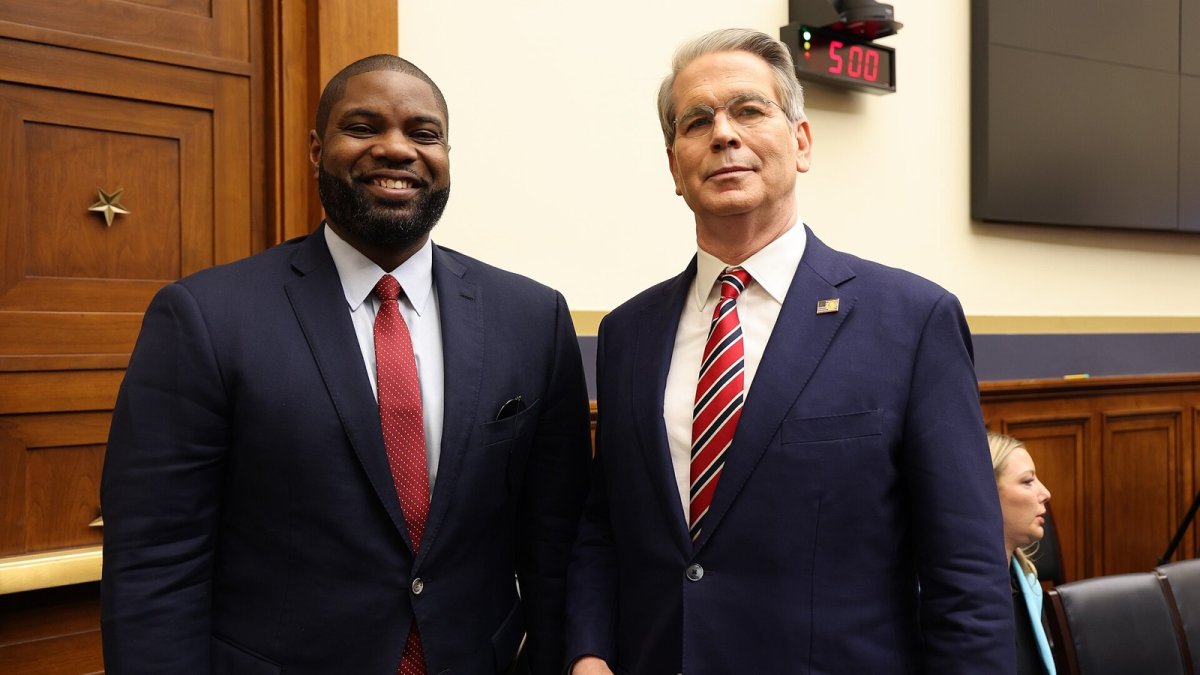
Treasury Secretary Scott Bessent says Iran loaded no crude in September, the sharpest sign yet that the U.S. naval blockade is holding.

The United States says Iran shipped no crude oil at all last month, a claim that would mark the sharpest collapse in Iranian exports since Washington put a naval blockade on the country’s ports.
Treasury Secretary Scott Bessent said Iran "loaded ZERO crude oil onto tankers in September," framing the figure as proof that the campaign is working. "Operation Economic Outcast is severing the economic lifelines that have allowed Tehran to finance its terrorist agenda," Bessent said, using the administration’s own characterization of Iranian spending.
Middle East Eye reported that the blockade on Iranian ports has been in place since April and is aimed at crude, the most profitable line in Iran’s state revenue. Iranian barrels are sold principally to buyers in China and moved by vessels operating outside mainstream shipping registries. The outlet also noted earlier reporting, citing Lloyd’s List, that about 26 ships in that fleet had found ways around the blockade.
Two sets of numbers
Tehran’s account is different in emphasis rather than in direction. Oil Minister Mohsen Paknejad said in early September that "the oil industry has not sat idle and has not stopped," and that Iran was "pursuing various solutions and different measures so that we can reach a day when we are able to completely bypass this blockade." That is a statement of intent to restore flows, not a denial that they have fallen.
Independent vessel-tracking data sits closer to the U.S. figure than to Tehran’s messaging. Oilprice.com, citing Kpler, Vortexa and TankerTrackers.com, reported that Iran loaded about 260,000 barrels a day at its ports in August, down roughly 80 percent from 1.7 million barrels a day in August 2025, and below the 740,000 barrels a day recorded in July. The same reporting said the blockade was reinstated in mid-July after a roughly three-week pause, during which exports resumed.
China has not accepted the framework. Foreign Ministry spokesperson Lin Jian said Beijing "will do everything necessary to firmly safeguard its rights and interests," a standard formula that leaves open how Chinese refiners and traders respond.
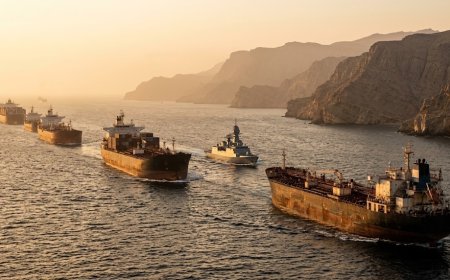
The numbers land in a shipping lane that has not emptied out. U.S. Central Command has reported that oil, cargo and liquefied natural gas traffic through the Strait of Hormuz climbed to a six-month high, which means the squeeze is being applied to Iranian cargoes specifically rather than to the waterway as a whole. On the diplomatic track, President Masoud Pezeshkian has paired distrust of Washington with an opening on nuclear inspectors.
What it means. A zero is a political number as much as an economic one. Treasury needs it to show that a blockade achieved what a decade of sanctions did not, and Tehran needs to show that any figure is temporary and reversible; both positions can be argued from the same tanker data because loadings, transfers at sea and final deliveries are counted at different points. The practical consequence is leverage. If Iranian exports really are near zero, Washington enters any talks on the Gulf with the baseline it wants and Tehran arrives needing the clock stopped. For Asian refiners and for Caspian and Gulf producers who pick up the displaced barrels, the more useful question is not whether September was a zero but how long the blockade can be held before the workarounds Paknejad described start to show up in the tracking data.
What's Your Reaction?
 Like
0
Like
0
 Dislike
0
Dislike
0
 Love
0
Love
0
 Funny
0
Funny
0
 Wow
0
Wow
0
 Sad
0
Sad
0
 Angry
0
Angry
0











Comments (0)