

CENTCOM says Hormuz oil, cargo and LNG traffic climbs to six-month high
U.S. Central Command says it moved over 1 billion barrels of oil and 2,000-plus vessels through Hormuz in two months, as Tehran demands the blockade end.

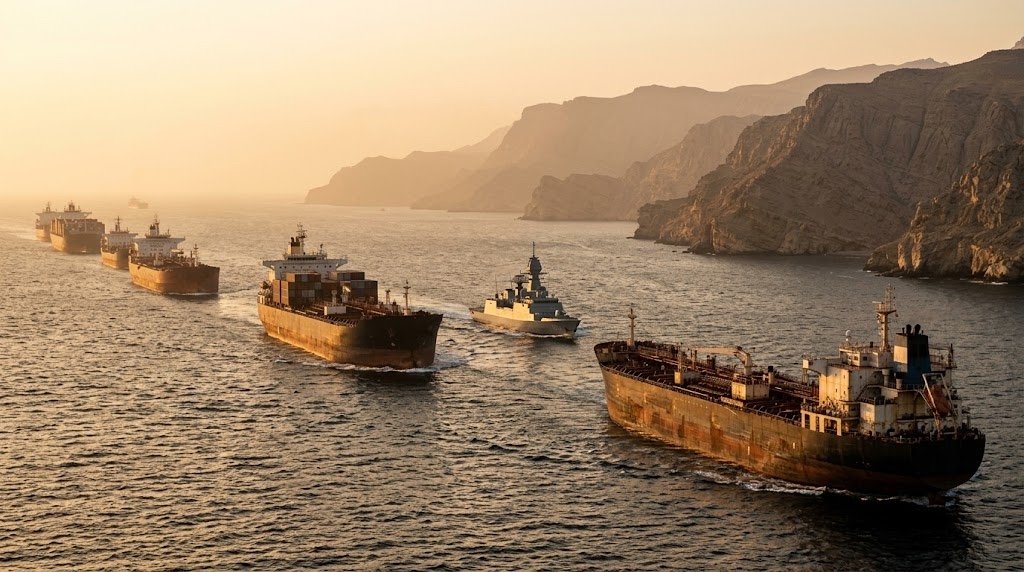
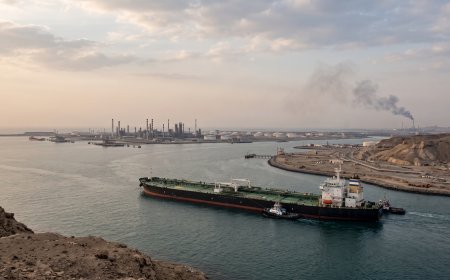
The volume of crude, general cargo and liquefied natural gas moving through the Strait of Hormuz over the past two weeks has been the highest in six months, U.S. Central Command said Saturday, offering the most detailed public figures yet on traffic through the waterway since the U.S.-Iran war began.
In a statement posted on X, CENTCOM commander Adm. Brad Cooper said U.S. forces had enabled the passage of more than 1 billion barrels of oil through the strait in the past two months alone and had provided protection to more than 2,000 commercial vessels, Middle East Eye reported.
"We're also working with every partner in the region, enhancing their air defence, forming a new coalition attack drone unit and keeping the Strait of Hormuz and surrounding waters open and clear," Cooper said. He added that the main transit lanes through the strait had been cleared of mines.
Tehran's counter-narrative: blockade must end
The U.S. figures land on the same day Iran laid out its terms for returning to negotiations. Mohsen Rezaei, who heads the secretariat of Iran's Supreme National Security Council, told Al Jazeera that Tehran's conditions, relayed through Qatar, are a full halt to fighting on every front, the release of frozen Iranian assets and an end to the naval blockade, TRT World reported. Iran, he said, was awaiting a response from President Donald Trump.
Separately, Iranian Foreign Minister Abbas Araghchi and Pakistani Foreign Minister Ishaq Dar spoke by telephone on Saturday. According to a Pakistani Foreign Ministry statement cited by TRT World, Dar stressed the need for "uninterrupted energy supplies" and "the safe and expeditious passage of ships," pointing to their effect on developing countries and global supply chains, and said dialogue and diplomacy were the "only viable means" of securing regional peace and stability. TRT World described efforts to resolve the U.S.-Iran military conflict as deadlocked.
How the strait became a fault line
U.S. and Israeli forces began large-scale strikes on Iran in February, and Tehran responded with missile and drone strikes on U.S. bases across the region, according to TRT World. Pakistan then mediated an agreement in June between Washington and Tehran to end hostilities, but that deal faltered amid disagreements over the Strait of Hormuz.
What it means: CENTCOM's numbers and Tehran's demands describe the same waterway from opposite ends. Washington is presenting Hormuz as open, mine-cleared and busier than at any point in six months, with 1 billion barrels moved under U.S. protection in two months; Iran is presenting the naval blockade as one of three obstacles that must be removed before talks resume. Both statements confirm that access to the strait is now managed by the U.S. military rather than functioning as a normal commercial passage, which is precisely the arrangement Tehran wants dismantled. For Gulf exporters and their buyers in Asia, the six-month-high figure is a sign of recovering flows, but Dar's emphasis on "safe and expeditious passage" and Pakistan's own description of the diplomacy as stuck suggest that recovery rests on a military escort regime, not a settlement.
What's Your Reaction?
 Like
0
Like
0
 Dislike
0
Dislike
0
 Love
0
Love
0
 Funny
0
Funny
0
 Wow
0
Wow
0
 Sad
0
Sad
0
 Angry
0
Angry
0











Comments (0)