

How Türkiye's fund scandal spread from Tera and Pusula to the former market regulator
Frozen redemptions, 131 liquidated funds, 58 arrests and a bid to investigate the ex-SPK chief: a step-by-step guide to Türkiye's fund crisis.

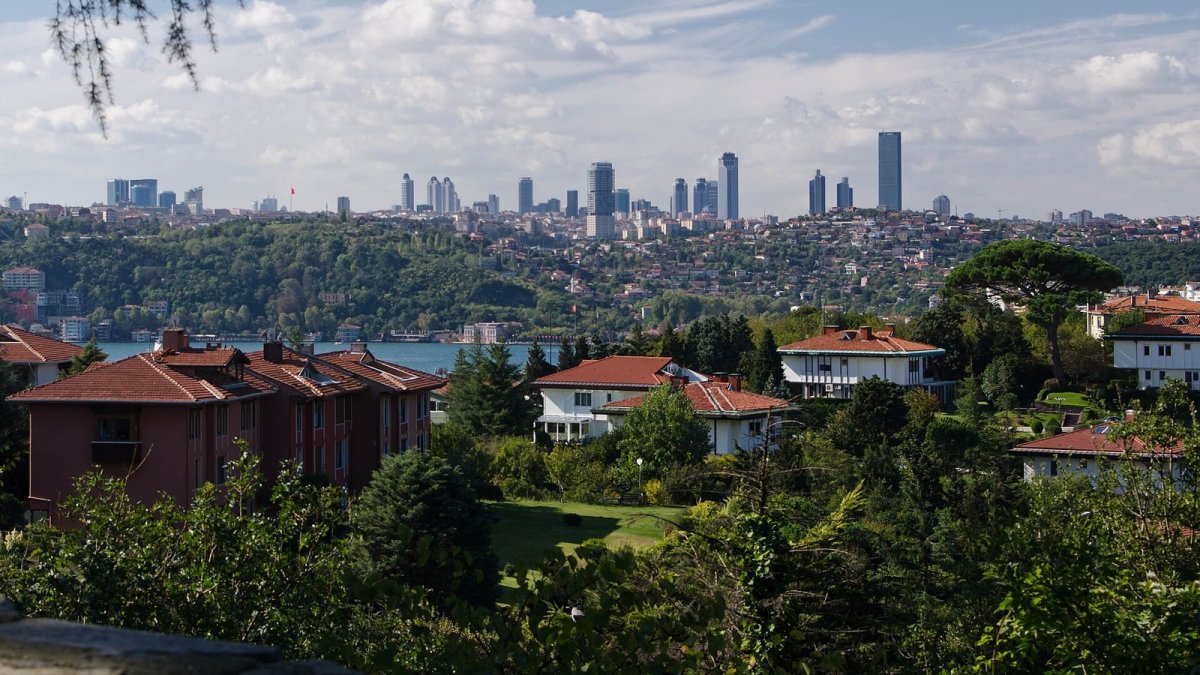
Prosecutors in Istanbul have asked Türkiye's Treasury and Finance Ministry for permission to investigate Ibrahim Omer Gonul, who chaired the Capital Markets Board (SPK) until April, on suspicion of abuse of office, Euronews' Turkish service reported Oct. 4. The request carries a criminal inquiry into a cluster of collapsed investment funds beyond the companies that ran them and into the regulator that was supposed to supervise them.
In a request submitted Sept. 30, the Istanbul Chief Public Prosecutor's Office said it had found clear and sufficient evidence that Gonul failed to carry out his inspection and oversight duties. Gonul testified as a suspect in the investigation last week. Under Turkish law, the SPK's chair and board members can be investigated over allegations tied to their duties only with the authorization of the treasury and finance minister. Treasury and Finance Minister Mehmet Simsek assigned the ministry's Inspection Board on Friday to carry out a preliminary examination and investigation, the broadcaster NTV reported. Gonul became SPK chairman on April 18, 2022, completed his four-year term in April and was appointed head of the Public Oversight, Accounting and Auditing Standards Authority in May. He has previously said the board's oversight processes are rigorous and that a rapid rise in a share price is not, without evidence, proof of manipulation, adding that such investigations typically take several months.
The inquiry grew out of a market rupture that began in mid-September. On Sept. 17, the SPK halted trading in 131 funds run by seven portfolio managers and ordered them into liquidation. Euronews put the value of the affected funds at $18 billion on Sept. 23, and SPK data show 455,758 individual investors in the liquidated funds, according to Medyascope, an independent Turkish news site. What follows is a guide to how the crisis unfolded, what authorities allege, who is involved and where the case stands.
How the funds unraveled
The first strains appeared in late August. According to a timeline compiled by Medyascope, the SPK issued new guidelines for funds on Aug. 28, and from that date Pusula faced redemption requests totaling 132.7 billion liras. Pusula announced a payment default on Sept. 15, the site said. By Sept. 16, Pusula Portfoy and Tera Portfoy had both said they could not meet withdrawal requests, Euronews reported. That day, Tera founder Emre Tezmen said the group had been hit by a "planned, intentional and organized speculative attack," according to Medyascope.
The Sept. 17 decision stopped trading in the funds on TEFAS, the national electronic platform for buying and selling fund units. The 131 funds sent into liquidation belonged to seven firms: Tera, Pusula, Atlas, Hedef, A1 Capital, Bulls and Pardus. Together they held about 826 billion liras, the English-language Hurriyet Daily News reported Oct. 1. Isbank and state-owned Ziraat Bank were put in charge of the liquidations, and the board later stretched the wind-down period from three months to six, saying the extension was designed "to enable the funds subject to liquidation to be sold under the most favourable conditions possible." By Finance Minister Mehmet Simsek's estimate, the frozen funds represent roughly a tenth of the sector, Euronews reported.
Stocks sold off as well. By Sept. 23, Borsa Istanbul's broad All Shares index was down 12% from the start of the scandal, and roughly 50 companies had seen their shares lose at least 40%, Euronews reported.
What authorities allege
Justice Minister Akin Gurlek has said authorities will pursue claims that "Ponzi-like" methods were used, Euronews reported. Prosecutors have also requested records of money and cryptocurrency transfers abroad going back to 2024. On Sept. 28, the SPK decided to file criminal complaints against 37 people over dealings related to Tera Finansal Yatirimlar Holding, according to Bloomberg HT, a Turkish business news channel.
The weak point, as Euronews described it, was concentration. The funds held large positions in Turkish shares that seldom changed hands, so when investors wanted their money back, selling those stakes threatened to send the prices tumbling. The run-ups before the collapse had been extreme. Tera's shares climbed more than 50,000% between their listing and their peak, according to Euronews, and a fund traded under the code TLY had risen 524-fold since 2021, Medyascope reported.
There had been warnings. In June, the index provider MSCI flagged "possible coordinated trading" involving stocks of smaller listed Turkish companies held by funds, Euronews reported. Simsek said in November 2025 that authorities knew manipulation was taking place, Medyascope noted; at that point, the 131 funds held 297 billion liras, and by September 2026 they had grown to about 800 billion liras, the site said. Medyascope also quoted Ramazan Basak, a former deputy head of the Financial Crimes Investigation Board (MASAK), as calling the episode "a regulatory failure."
Who is who
Seven portfolio managers ran the liquidated funds, but the investigation reaches into the financial groups around several of them. The names that recur most often:
- Tera: Tera Finansal Yatirimlar Holding, the focus of the SPK's Sept. 28 criminal complaints; the securities firm Tera Yatirim Menkul Degerler, chaired by founder Emre Tezmen, according to Euronews; the asset manager Tera Portfoy Yonetimi; and Tera Yatirim Bankasi and Tera Finans Faktoring, an investment bank and a factoring company.
- Pusula: Pusula Finans Holding, chaired by Serdar Turhan, and the asset manager Pusula Portfoy, whose payment problems surfaced first.
- Atlas and Hedef: the asset managers Atlas Portfoy and Hedef Portfoy, whose funds qualify for the interim payments along with those of Tera and Pusula. Hedef Yatirim Bankasi is one of five companies handed to the Savings Deposit Insurance Fund (TMSF), the state deposit insurer.
- Destek: not among the seven fund managers, but two of its companies, Destek Yatirim Bankasi and Destek Finans Faktoring, were also transferred to the TMSF.
- A1 Capital, Bulls and Pardus: the other three portfolio managers whose funds are being wound up.
Arrests and trading bans
The criminal investigation has advanced in waves. Eurasian Post reported Sept. 20 on new detention orders as the 131 funds entered liquidation. Medyascope counted a second wave of operations on Sept. 22, when 14 people were detained, and a third on Sept. 25.
On Sept. 23, Tezmen was arrested along with Tera board members Kerem Alkin, who was Türkiye's ambassador to the OECD from 2021 to 2024, and his brother Emre Alkin, an economist and television commentator; Tera Portfoy general manager Alper Ozturk; and Pusula Finans Holding chairman Serdar Turhan, Euronews reported. By then, 51 people had been barred from leaving the country. Under Turkish law, an arrest is a court order that keeps a suspect in custody pending trial.
The SPK added its own penalties on Sept. 28, Bloomberg HT reported: criminal complaints and two-year trading bans for 37 people; two-year bans barring Tera Yatirim Menkul Degerler and Tera Portfoy Yonetimi from trading on Borsa Istanbul and other organized markets; and the cancellation of licenses and authorization certificates held by 24 individuals. Tezmen, the Alkin brothers, Tera Portfoy chairman Erdin Ozel and chief executive Emir Munir Sarpyener were among the 37. Two days later, the board temporarily suspended all capital market activities of the brokerage Tera Yatirim Menkul Degerler, effective 6:10 p.m. on Sept. 30, Bloomberg HT reported.
Ozel and Sarpyener, detained Sept. 27, were arrested Oct. 1, bringing the number of people arrested in the investigation to 58, Medyascope reported. A day earlier, search, seizure and detention orders had been issued for 34 people. None of those arrested has been convicted.
The state steps in
The government has moved on several fronts. The Banking Regulation and Supervision Agency (BDDK) handed control of five companies to the TMSF: Destek Yatirim Bankasi, Hedef Yatirim Bankasi, Tera Yatirim Bankasi, Destek Finans Faktoring and Tera Finans Faktoring, Medyascope reported. A coordination committee under the presidency was set up Sept. 29.
For investors, the most immediate relief is an advance on their money. In a decision dated Sept. 30, the SPK approved interim payments for investors in funds run by Tera, Pusula, Atlas and Hedef, Bloomberg HT reported. Investors whose reconciliation has been completed can receive up to 1 million liras ($20,394), Hurriyet Daily News reported, and the payments will be deducted from what they collect when the liquidation ends. The process starts with money market funds. Eurasian Post has explained how the interim payouts work.
Simsek has sought to reassure investors and markets. "The necessary steps are being taken to ensure that investors receive payments as quickly as possible and to the greatest extent possible," he said, according to Hurriyet Daily News. He added: "The strengthened macroeconomic fundamentals and the measures already implemented will help limit the impact of recent developments on the financial system and the real economy." Vice President Cevdet Yilmaz pledged that the law would govern every step of the process. Osman Arslan of state lender VakifBank called the situation temporary and said it did not create a risk for the banking sector, according to Bloomberg HT.
Political fallout and open questions
The affair has also become a political problem for President Recep Tayyip Erdogan's Justice and Development Party (AKP). Erdogan has said the government was "resolving the crisis" and would "protect investors and follow capital market rules," according to Turkish Minute, a Stockholm-based news site critical of the government. Bulent Arinc, an AKP co-founder and former parliament speaker, warned that the scandal could cost Erdogan at the polls, the site reported. "Who will pay the rest? Who is responsible?" Arinc asked.
Major questions remain open as of Oct. 4. Under the extended timetable, the liquidations can last up to six months, and investors whose holdings exceed the interim cap will depend on what the funds' assets fetch. Whether prosecutors can proceed against Gonul now depends on the outcome of the ministry's preliminary examination. The Sept. 30 orders and the Oct. 1 arrests show an inquiry that was still widening at the start of October.
What it means: The collapse has become a test of Türkiye's market oversight as much as of the firms that ran the funds. By seeking to investigate the former SPK chief, prosecutors have shifted the question from who traded to who was supposed to be watching, and the outcome of the ministry's inspection will show how far Ankara is prepared to let the probe reach into its own institutions. The interim payouts favor breadth over depth: the cap matters most to smaller savers, while larger holders remain tied to what liquidators can raise from thinly traded shares, the same illiquidity that broke the funds. Officials, from Simsek to a state bank executive, have sought to present the damage as limited. Whether that holds will depend on the pace of the liquidations, the course of the criminal case and whether unease inside the ruling party grows into a demand for wider accountability.
What's Your Reaction?
 Like
0
Like
0
 Dislike
0
Dislike
0
 Love
0
Love
0
 Funny
0
Funny
0
 Wow
0
Wow
0
 Sad
0
Sad
0
 Angry
0
Angry
0











Comments (0)