

Record EU pump prices expose Europe's Hormuz exposure and lift Caspian crude
Diesel averages €2.159 a liter across the EU and ECB staff see refining margins peaking in October, while Azeri Light trades above $122 a barrel.

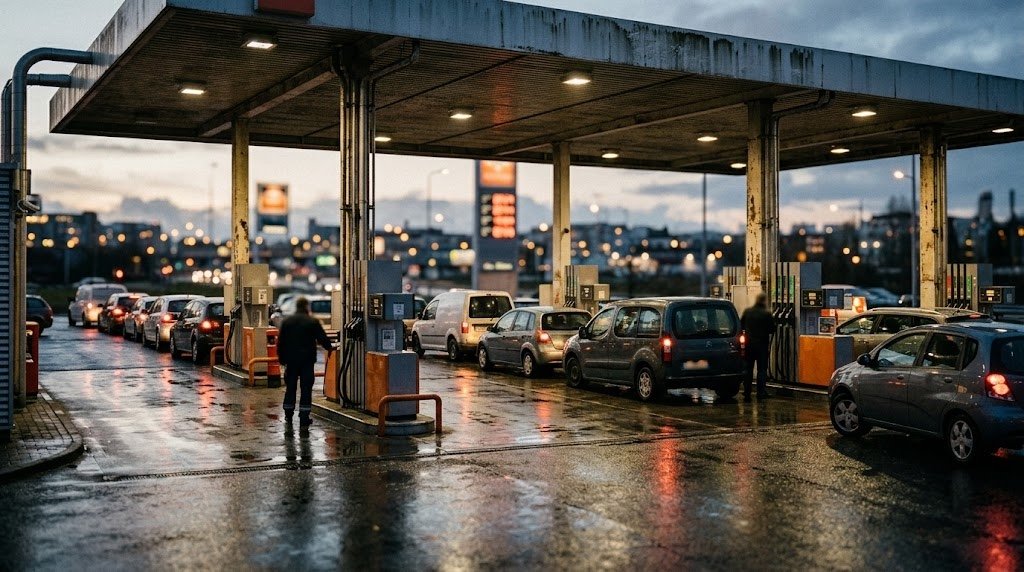
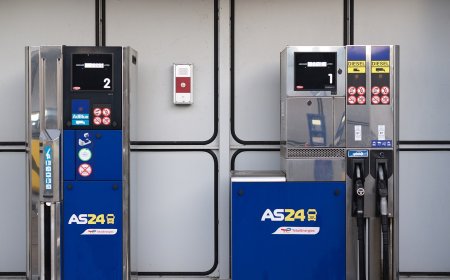
Fuel prices in the European Union have climbed to record levels, with the bloc-wide average for diesel reaching €2.159 per liter and gasoline €2.063 per liter as of Sept. 14, according to European Commission data reported by Euronews. Filling a 50-liter tank now costs roughly €103 for gasoline and €108 for diesel. On a weighted EU average, gasoline is up 29% since the start of 2026 and diesel 40%.
The spread across member states is wide. Gasoline ranges from €1.34 per liter in Malta to €2.56 in Denmark, while diesel runs from €1.21 in Malta to €2.51 in Finland, Euronews reported. Excise duties and value-added tax accounted for 44% of the diesel price and 52% of the gasoline price in July, meaning the bulk of the recent increase has come from the cost of crude and refining rather than from taxation.
Refining margins have become the swing factor
European Central Bank experts estimate that in the third week of September refining margins contributed €0.41 per liter to retail diesel prices in the euro area, or 19% of the pump price, and €0.17 per liter to gasoline, or 8%. Citing refined-product futures from LSEG dated Sept. 16, the ECB staff said gasoline margins peaked in August and that the diesel margin is expected to peak in October, Euronews reported.
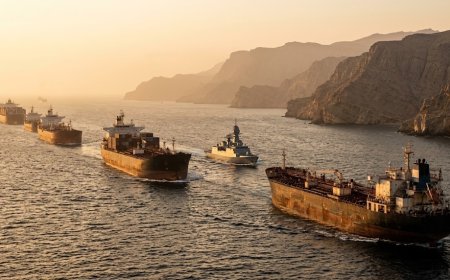
The ECB analysis is blunt about what would bring prices down. "For petrol and diesel prices to decline, the key factor would be a cessation of the war in the Middle East, a normalisation of flows through the Strait of Hormuz and a restoration of global refining activity to allow oil inventories to rebuild," the experts wrote. Pump prices have climbed steadily since late February, when the war with Iran began and traffic through the strait was disrupted. Brent crude rose above $126 per barrel at the height of the conflict, compared with about $72 before it began, according to Euronews.
Supply has tightened further on the Red Sea side. According to Euronews, Saudi Aramco has informed at least two European refiners that their October deliveries under long-term contracts will not be made, after an attack on the kingdom's main pipeline to the Red Sea. The knock-on effect is visible in consumer prices: the ECB puts euro area energy inflation at 14.3% in August, up from 10.3% a month earlier. In its Sept. 10 monetary policy statement, the central bank warned that "renewed disruption of energy supplies could cause energy prices to rise further and for longer than currently expected."
Caspian barrels priced at a premium
The squeeze on Gulf and Red Sea supply is being felt in the Caspian. Azerbaijan's Azeri Light crude rose $1.29, or 1.07%, to $122.37 per barrel on the global market, Report.az reported Friday, with the FOB price at Türkiye's Ceyhan port up $0.80 to $116.30. Brent November futures stood at $125.42, the outlet said. Azerbaijan's state budget for the year assumes an average oil price of $65 per barrel, leaving Baku with a large windfall at current levels. Azeri Light is produced from the Azeri-Chirag-Gunashli field block, in which state oil company SOCAR holds a 35.3% stake.
What it means
Three points follow from the data. First, Europe's pump-price problem is now less about crude than about refining: with margins accounting for nearly a fifth of the diesel price and expected to peak only in October, relief will lag any easing in oil markets. Second, the ECB's conditions for lower prices, an end to the Middle East war, normal Hormuz flows and rebuilt inventories, are all outside Europe's control, which is why the central bank is flagging the risk of energy prices staying higher for longer. Third, the Aramco contract suspensions and the premium on Azeri Light show that barrels reaching Europe by routes that bypass Hormuz and the Red Sea, including the Baku-Tbilisi-Ceyhan pipeline that delivers Azeri crude to the Mediterranean, are commanding a scarcity premium. For Caspian producers that is a fiscal windfall; for European refiners and consumers it is a reminder of how narrow the alternative supply corridors remain.
What's Your Reaction?
 Like
0
Like
0
 Dislike
0
Dislike
0
 Love
0
Love
0
 Funny
0
Funny
0
 Wow
0
Wow
0
 Sad
0
Sad
0
 Angry
0
Angry
0










Comments (0)