

Kobakhidze says Georgia has met about 90% of EU association pledges as accession stalls
Georgia's prime minister says Tbilisi has met about 90% of its EU Association Agenda and DCFTA commitments, up from roughly 65% two years ago.

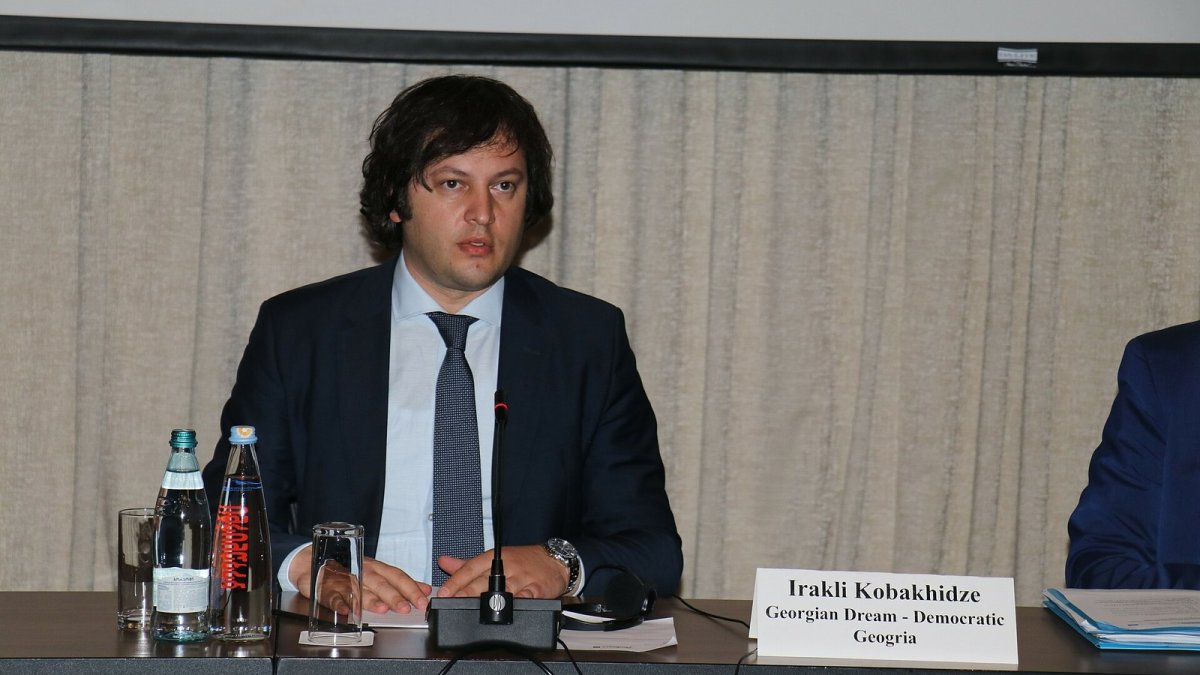
Georgia has now carried out roughly 90% of what it promised under its Association Agenda with the European Union and the bloc's Deep and Comprehensive Free Trade Area (DCFTA), Prime Minister Irakli Kobakhidze said, according to Report.az. He put the implementation rate at about 65% two years ago, presenting the jump as proof that Tbilisi is still working through its obligations to Brussels even though membership talks are not in sight.
"Our main task in the European Union direction is to take the steps envisaged in the Association Agenda and the DCFTA," Kobakhidze said. "We have now fulfilled about 90% of the relevant commitments and continue to work in this direction." He acknowledged that the question of opening EU membership negotiations is not on the agenda for now, but said the government would keep meeting the obligations that flow from the Association Agreement and the free trade deal. By the end of 2028, he said, Georgia would be in a stronger state of preparation than it was at the end of 2024.
A target reached ahead of schedule
The new figure lands well before the deadline Kobakhidze set for himself. In December 2024, he said Georgia would complete more than 90% of its Association Agenda commitments by 2028 and reach the same level on its free trade obligations within four years, Interpressnews reported at the time. He also pledged then that "by 2030, Georgia will be the best prepared candidate country for achieving full membership" of the bloc. Georgia had been granted candidate status in December 2023.
Read against that timeline, the government is claiming to have all but reached its own target roughly two years early. The account of his remarks does not include a breakdown of which commitments remain open, and the 90% figure is the government's own assessment rather than one issued by the European Commission.
Brussels describes a standstill
The EU's reading of the relationship has moved in the opposite direction. In December 2025, 26 member states backed a text stating that Georgia's accession process "has effectively come to a standstill until the authorities demonstrate resolute commitment" to reform, Civil Georgia reported. Hungary blocked its formal adoption as Council conclusions. The text cited "serious general backsliding in democracy, human rights, and the rule of law" and urged Tbilisi to "free all arbitrarily detained politicians, journalists and activists." A European Commission report the previous month had called Georgia "a candidate country in name only."
The same text also pressed Georgia on two files with direct practical weight. It said Tbilisi had not met recommendations from the seventh report under the EU's visa suspension mechanism, which matters for Georgians who have traveled to the bloc without visas since 2017. It also asked Georgia to align with the EU's Common Foreign and Security Policy, in particular its restrictive measures against Russia and Belarus.
Two tracks, one relationship
Kobakhidze's framing separates the two strands of the relationship. The Association Agenda and the DCFTA are cast as the government's main EU task, while accession is described as off the table for the moment. Brussels, by contrast, has tied the accession track to political conditions that Kobakhidze's remarks did not address. For background on Tbilisi's recent dealings with the bloc, see Eurasian Post's report on the disputed South Ossetia vote.
What it means: Tbilisi is trying to show that it can remain a reliable partner on trade and regulatory alignment while rejecting the political conditions attached to membership. The 90% claim gives the government a domestic talking point and a technical record to point to, but it does not change the EU's position, which links any revival of accession to democratic reforms and foreign policy alignment rather than to the pace of DCFTA implementation. As long as the two sides measure progress with different yardsticks, Georgia's economic integration with the bloc and its political path toward membership are likely to keep moving at different speeds.
What's Your Reaction?
 Like
0
Like
0
 Dislike
0
Dislike
0
 Love
0
Love
0
 Funny
0
Funny
0
 Wow
0
Wow
0
 Sad
0
Sad
0
 Angry
0
Angry
0












Comments (0)