

Makkah pact chiefs vow to turn pledges into joint military work
Pakistani, Saudi and Turkish military chiefs met in Riyadh and pledged to begin immediate intelligence sharing and capability integration.

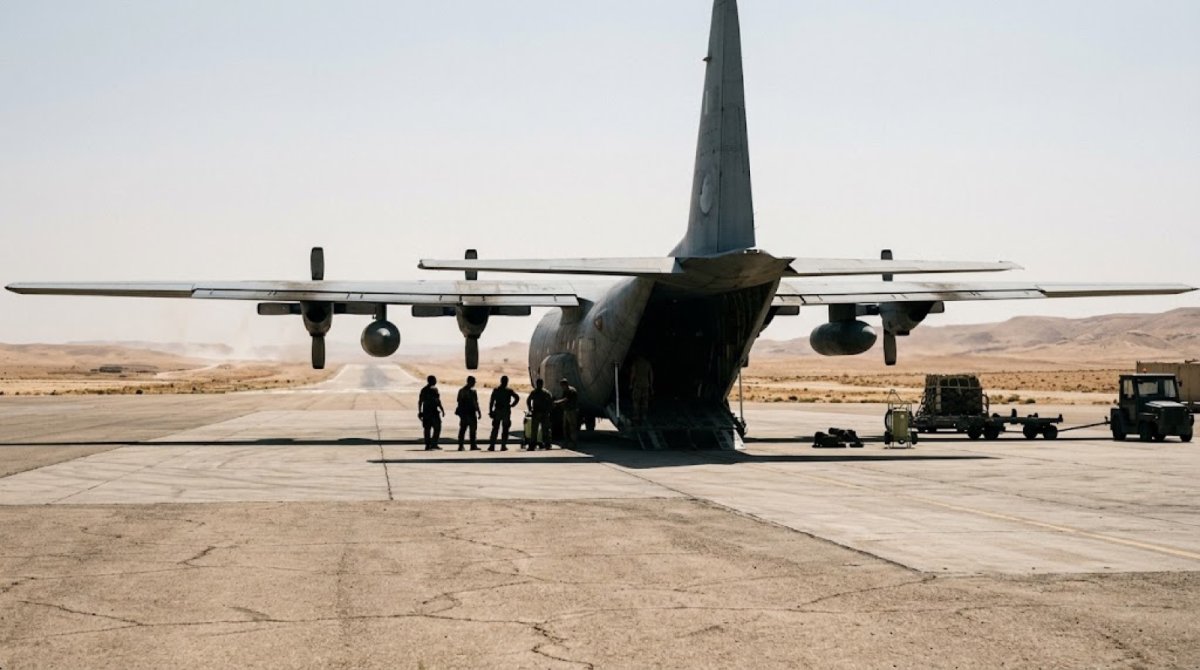
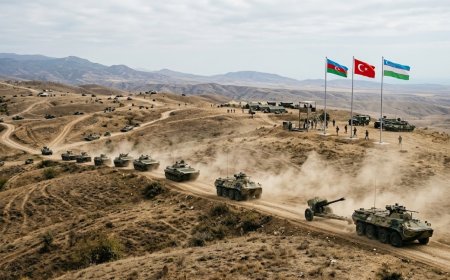
The military chiefs of Pakistan, Saudi Arabia and Türkiye said they would move immediately to turn the Makkah Joint Defence Agreement into working military cooperation, after a meeting in Riyadh that shifted the seven-week-old pact from signature to staff work.
Pakistan's military media wing, Inter-Services Public Relations, said the three sides agreed to "immediately translate" their commitments under the agreement into effective military cooperation. The talks covered capability integration, military coordination and the sharing of intelligence, with the stated aim of strengthening deterrence and collective defense.
Field Marshal Syed Asim Munir, Pakistan's chief of defence forces and chief of army staff, attended alongside Gen. Fayyadh bin Hamed Al-Ruwaili, chief of the general staff of Saudi Arabia, and Selcuk Bayraktaroglu, Türkiye's chief of general staff, Geo News reported. Saudi Defense Minister Prince Khalid bin Salman also took part, as did the alliance's secretary general, retired Lt. Gen. Nauman Mahmood.
Attacks on the kingdom
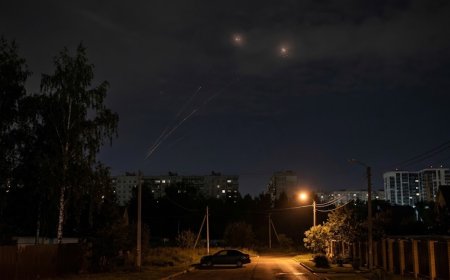
The chiefs "strongly condemned" the attacks aimed at Makkah and at civilian and economic infrastructure inside the kingdom, and praised the "vigilance and professionalism" of the Saudi armed forces. Prince Khalid bin Salman, posting on X, welcomed the outcomes of the meeting and said: "We discussed the sinful attacks that targeted Makkah Al-Mukarramah, as well as the civilian and economic facilities in the Kingdom." Eurasian Post has reported Houthi claims of strikes on Riyadh and Yanbu.
From signature to structure
The agreement was signed in Makkah on Aug. 7 and its first strategic committee meeting was held in Istanbul on Aug. 31, Dawn reported. The permanent secretariat sits in Riyadh and the first secretary general's term runs three years, with Pakistan holding the post. Dawn's Baqir Sajjad Syed wrote that Friday's meeting marked a move from political assurance toward operational coordination, and set the pact against the 2025 Pakistan-Saudi strategic mutual defense agreement and Article 51 of the UN Charter.
Beyond the three chiefs, the Saudi delegation included the national security adviser and the adviser to the defense minister for intelligence affairs, while Pakistan brought its director general of military operations, according to Dawn. The composition points at the working level the three militaries now intend to use rather than at a new command.
Ankara's position has been hardening in public. Eurasian Post reported that Türkiye was weighing military support for Saudi Arabia in remarks by Foreign Minister Hakan Fidan, who is also cited in Dawn's account of the alliance's development.
What it means: Collective defense clauses are cheap to sign and expensive to operate, and the gap between the two is where this pact will be judged. Intelligence sharing, coordination and capability integration are the three tasks that actually cost sovereignty: they require compatible air defense data, agreed rules for what each capital sees about the others' vulnerabilities, and a decision about whose radar picture is authoritative when a missile is inbound. Putting the secretariat in Riyadh while giving Pakistan the first secretary general splits political ownership from administrative control, which keeps all three capitals invested and slows everything down. For the wider region, the meeting matters less as a new bloc than as evidence that Gulf security is being rebuilt around partners from South Asia and Anatolia rather than around a single external guarantor.
What's Your Reaction?
 Like
0
Like
0
 Dislike
0
Dislike
0
 Love
0
Love
0
 Funny
0
Funny
0
 Wow
0
Wow
0
 Sad
0
Sad
0
 Angry
0
Angry
0











Comments (0)