Pakistan's election regulator drafts rules to curb deepfakes and AI campaigning
The Election Commission of Pakistan wants parties, media and observers to disclose AI use, label altered content and drop bot-driven engagement.

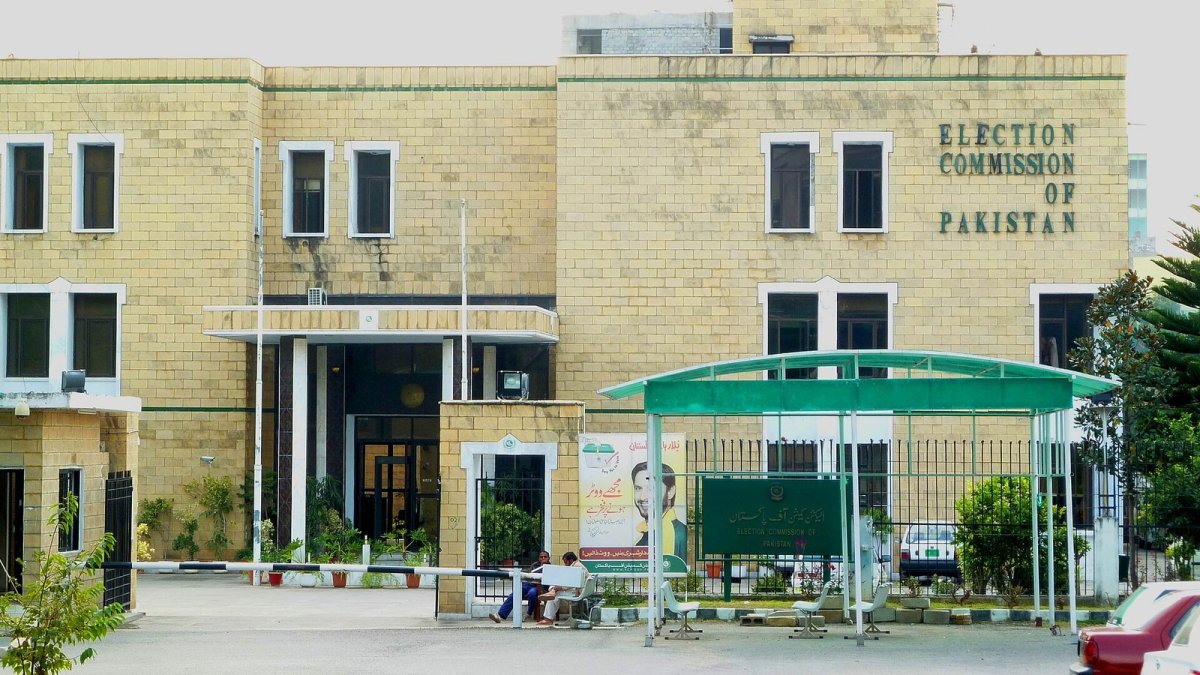
Pakistan's election regulator has drafted rules that would require political parties, candidates and media outlets to disclose the use of artificial intelligence in election content and would ban deepfakes designed to mislead voters, according to a draft notification issued on Friday.
The Election Commission of Pakistan (ECP) shared the proposed amendments to its codes of conduct with stakeholders and set a Nov. 20 deadline for feedback, Dawn reported from Islamabad. The commission grounded the move in Article 218(3) of the constitution, which charges it with organizing honest, just and fair elections. In the notification, the ECP said "it is the core responsibility of the commission to take all necessary steps to guard against corrupt practices."
What parties and candidates would have to do
For political parties and candidates, the draft combines disclosure duties with outright bans:
- Disclose all AI-generated campaign material, including deepfake images, audio, video and synthetic voices.
- Announce at the outset of any robocall or voter message that uses a cloned voice that it is AI-generated.
- Refrain from AI content meant to deceive voters or misrepresent people.
- Avoid false or defamatory deepfakes aimed at rival candidates, party leaders and supporters, as well as at election officials, judges, state officials and the armed forces.
- Stop using automated bots or accounts to inflate likes, comments, shares or follower counts.
- Keep records of AI-assisted campaign content and hand them to the ECP on request.
Media, influencers and observers
Newspapers, broadcasters, digital outlets and social media influencers would have to label election content altered with AI, and they would stay legally responsible for the accuracy of any AI-assisted translation, anchoring or analysis they publish. Election observers would be asked to flag deepfakes and disinformation directly to the ECP "without further spreading the misleading material," and would be barred from using AI to fabricate or embellish photos, videos, reports or field observations.
Enforcement would lean on existing regulators. The Pakistan Electronic Media Regulatory Authority (PEMRA), the Social Media Protection and Regulatory Authority and the National Cyber Crime Investigation Agency would monitor platforms and report compliance to the commission, which could order content taken down or relabeled immediately.
A campaign tool already in use
Pakistan has already seen generative AI enter its campaigns. During the 2024 general election, former Prime Minister Imran Khan's party used an AI-generated version of his voice to deliver speeches while he was in prison. Khan remains jailed, and friction between his party and the authorities remains high, as the recent detention of his sister in Lahore showed. The draft would bring such synthetic messaging under explicit disclosure rules.
What it means: The draft gives the ECP a detailed toolkit for a problem that cheap synthetic audio and video have made urgent, and its disclosure and record-keeping duties could make AI use in campaigns easier to trace. The test will be enforcement. Bans on defamatory content aimed at the judiciary, state functionaries or the armed forces leave room for interpretation, and how regulators apply them will determine whether the rules are seen as protecting voters or as policing political speech. The feedback window to Nov. 20 gives parties and media a chance to narrow those terms before the code is finalized.
What's Your Reaction?
 Like
0
 Dislike
0
 Love
0
 Funny
0
 Wow
0
 Sad
0
 Angry
0






Comments (0)