

Pakistan and Saudi Arabia ratify Mecca defense pact as Türkiye rules out Houthi fight
Islamabad says two of three signatories have ratified the Mecca pact, while Ankara's defense minister says Turkish troops will not take on the Houthis.

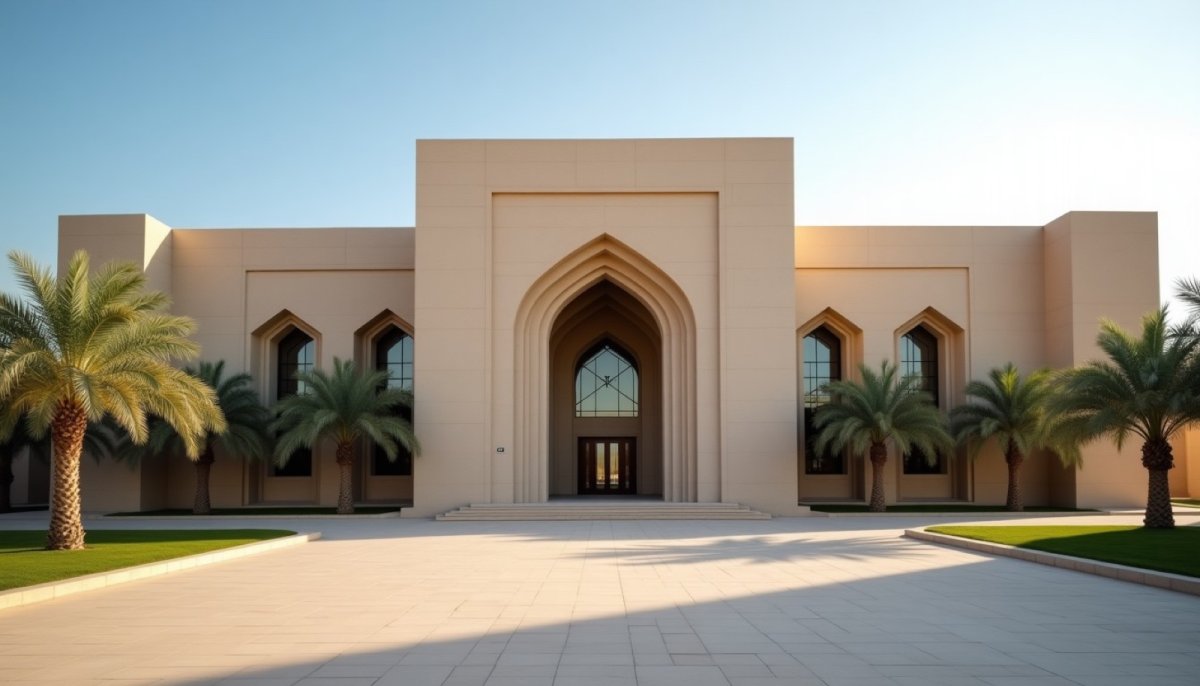
Pakistan and Saudi Arabia have finished ratifying the Mecca Joint Defense Agreement, Pakistan's Foreign Office said Friday, leaving Türkiye as the only one of the three signatories still working through domestic approval. On the same day, Türkiye's defense minister said Ankara does not expect its forces to fight Yemen's Houthis under the pact, drawing an early boundary around what the alliance will mean in practice.
"Pakistan and [the] Kingdom of Saudi Arabia have already completed their ratification processes," Foreign Office spokesperson Sajjad Haider Khan said at a briefing in Islamabad. He added that "matters related to the agreement, its ratification and operationalisation remain under discussion by the three parties." Türkiye, he said, was moving ahead "in accordance with its domestic legal framework."
Ankara submitted the agreement to parliament this week. According to TRT World, the government sent a three-article bill that will be taken up first by the parliament's Foreign Affairs Committee before any vote.
What the pact commits
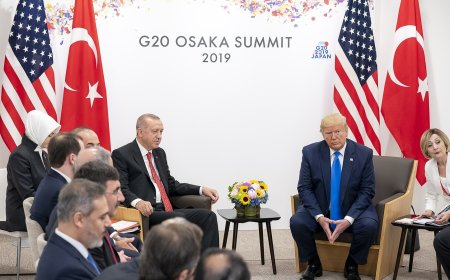
Turkish President Recep Tayyip Erdogan, Pakistani Prime Minister Shehbaz Sharif and Saudi Crown Prince and Prime Minister Mohammed bin Salman signed the agreement in Mecca on Aug. 7. Its Article 2 treats an attack on any one party as an attack on all three, and the signatories present it as consistent with the right of self-defense under Article 51 of the UN Charter.
Khan described the accord as "essentially defensive in nature" and said, "It is not directed against any particular country." Asked about speculation over its terms, he said, "There are no hidden provisions." On when the mutual defense clause might be triggered, he said, "This matter has to be decided by the three partner countries in accordance with the agreement." The three governments have also agreed, at an emergency meeting in Riyadh, to deploy military forces and capabilities rapidly to Saudi Arabia, Dawn reported, building on the pact's final-stage talks in the Saudi capital.
Ankara draws a line on Yemen
"We absolutely do not envisage entering into any clashes with the Houthis," Turkish Defense Minister Yasar Guler said in a television interview Friday, Middle East Eye reported. Guler said any Turkish military support for Saudi Arabia would be aimed mainly at strengthening deterrence, as Türkiye has done in Qatar. Ankara would weigh any Saudi request and decide its scope, he said, subject to legal procedures and parliamentary approval, a position that follows Ankara's earlier deliberations over military support for Riyadh.
The pact has gained weight as Saudi Arabia faces Houthi attacks. Dawn reported that a Houthi offensive in September seized Yemen's Red Sea coast and the Bab al-Mandab strait. The wider region remains unsettled by the war on Iran launched by the U.S. and Israel on Feb. 28; TRT World said a 60-day U.S.-Iran memorandum of understanding reached in June has largely broken down. Khan said Pakistan supports "Yemen's sovereignty, unity, and territorial integrity" and backs "ending hostilities and achieving a durable political settlement."
What it means: Ratification by Islamabad and Riyadh turns the Mecca agreement from a signed pledge into a binding commitment for two of its three members, and the Turkish parliament's vote will decide whether the treaty becomes fully operational. Yet Guler's remarks show that Ankara reads its obligations narrowly: deterrence and presence rather than combat in Yemen, the one theater where Saudi Arabia currently faces direct attack. That gap between a collective-defense clause and a partner's stated unwillingness to fight the most active threat will shape how credible the alliance looks to the Houthis and to Tehran. It also leaves the operational details, from force deployments to trigger conditions, in the hands of the three-way committee that Khan said is still discussing them.
What's Your Reaction?
 Like
0
 Dislike
0
 Love
0
 Funny
0
 Wow
0
 Sad
0
 Angry
0









Comments (0)