

House of Afshar moves its global work into a new council for Turk communities
A Washington-based nonprofit says a new council will carry its heritage, research and advocacy work, framing the effort as cultural rather than political.

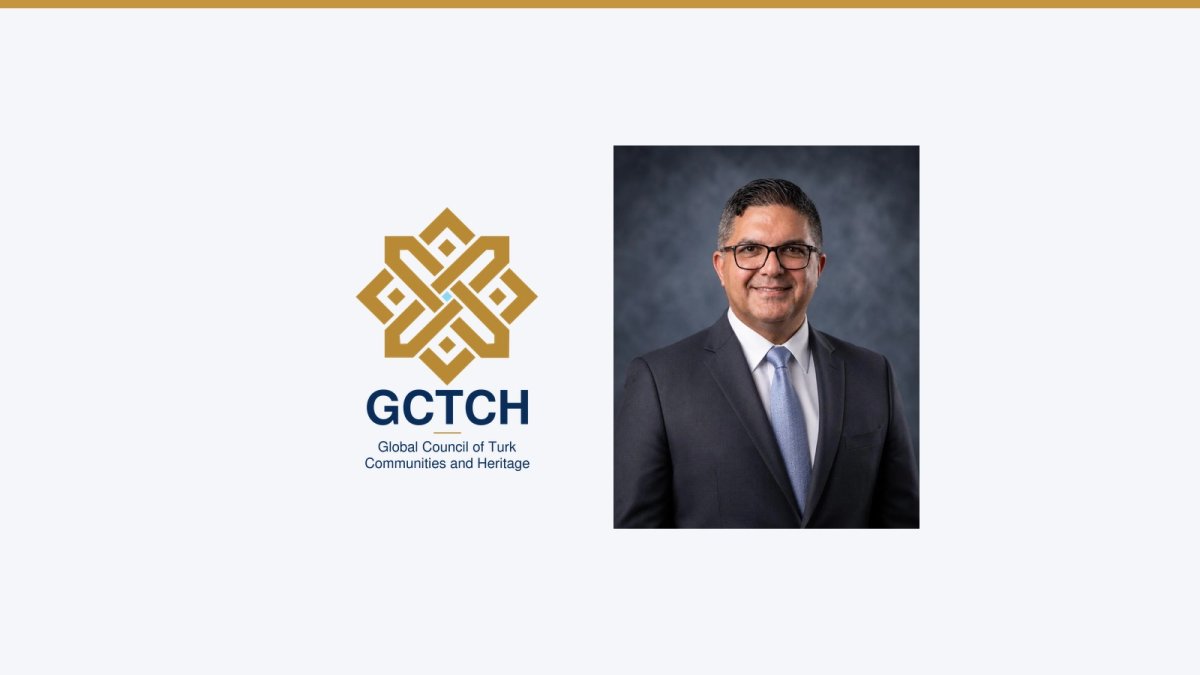
The House of Afshar has announced that its international work will shift to a new body, the Global Council of Turk Communities and Heritage (GCTCH), according to a press release dated Oct. 14 in Washington and distributed by ABNewswire. All claims below are the organization's own.
The council will now handle the group's "broader international projects, initiatives, and public advocacy," the release said. It presents GCTCH as an institution meant to link Turk communities across borders and to give an international voice to communities whose history, culture and concerns, in its words, "are too often absent from global conversations." The House of Afshar "will remain an important historical and cultural institution and the foundation from which this wider vision emerged," the organization said.
Culture and research as the stated focus
According to the release, the council plans to work in "cultural preservation, historical research, archives, education, literature, language initiatives, academic cooperation, youth engagement, cultural exchange, conferences, publications, and international dialogue." On its website, GCTCH says it aims to make the heritage of Turk communities visible through research, documentation and dialogue, and it describes itself as a 501(c)(3) tax-exempt nonprofit foundation based in Washington.
The organization said millions of people in Turk communities live outside independent Turk states. The release says a student in Türkiye should be able to learn about communities such as "the Afshars of Iran, the Crimean Tatars, the Gagauz, or Turk communities of Iraq and Syria," and its longer list also names Uyghurs, Qashqai and Ahiska Turks. The council said it will seek a role in international institutions, "including opportunities for engagement within the wider United Nations system and other international arenas."
A choice of words and a set of limits
The council said it chose the word "Turk" over "Turkic" deliberately. "We believe that an identity should be named by the people who carry it, rather than defined through terminology developed from an outside perspective," the release said. It also set out what it does not intend. "This initiative is not directed against any people, nation, religion, or culture," the organization said, adding, "Our vision of Turk unity is not political domination."
The announcement is signed by Emmett Imani, identified in the release as "Chairman & President of Global Council of Turk Communities & Heritage" and, in the same signature line, as "Deputy Director of UNESCO Center for Peace Ambassador."
What it means: GCTCH is pitching itself as a civil-society platform for diaspora and minority communities rather than a vehicle for states, and its disclaimers about domination and outside targets read as an attempt to get ahead of the political suspicion that pan-Turk projects often attract in countries where these communities live. Its weight will depend less on the announcement than on delivery: whether the archives, research and language programs it lists take shape, and whether it gains a hearing in the international forums it names.
Disclosure: Eurasian Post's publisher has a professional relationship with GCTCH.
What's Your Reaction?
 Like
0
 Dislike
0
 Love
0
 Funny
0
 Wow
0
 Sad
0
 Angry
0













Comments (0)